 IQ Finance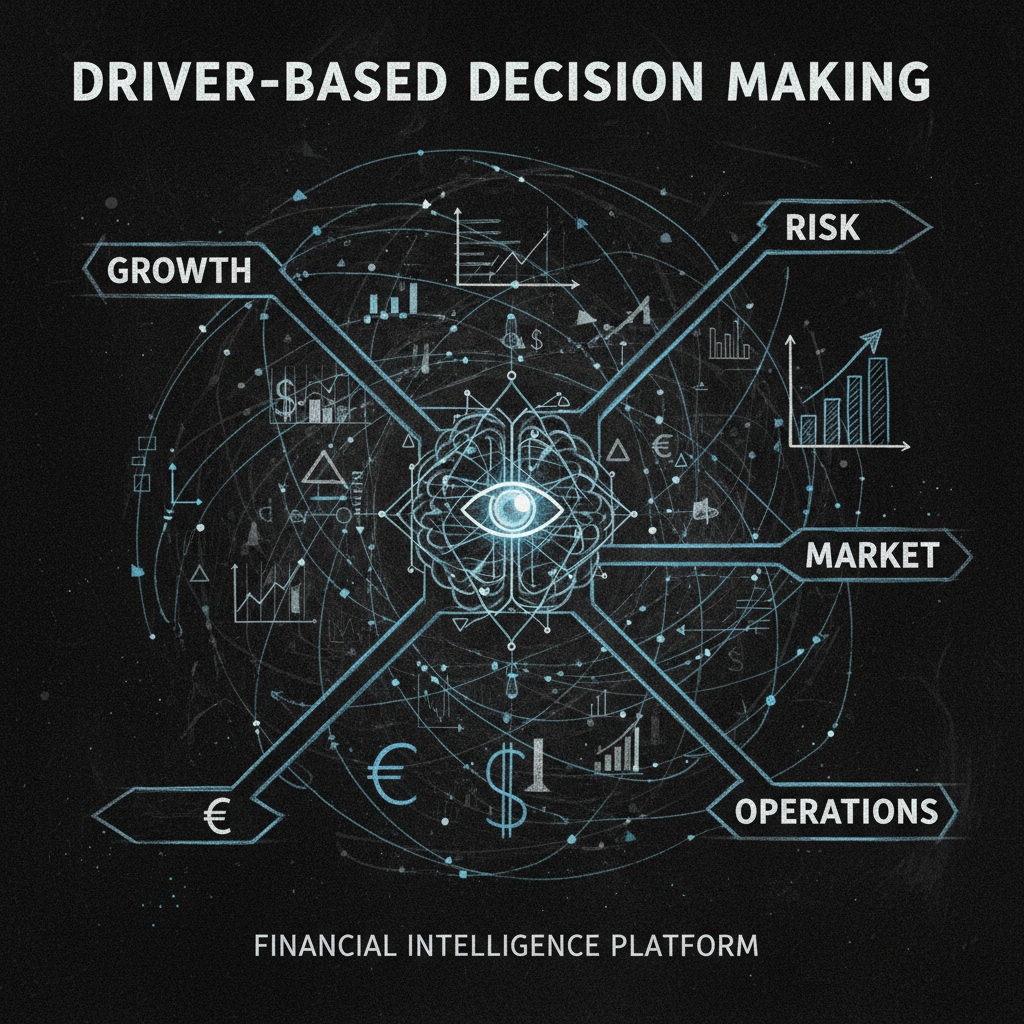
Modern finance leaders are under growing pressure to move beyond retrospective reporting and deliver forward-looking insights that drive company-wide decisions. A robust financial intelligence platform can help you adopt driver-based decision making, align strategic goals, and gain more predictability in your outcomes. As of 2024, nearly three in four finance leaders rely on business intelligence and analytics solutions—clear evidence that streamlined, AI-powered tools are rapidly reshaping financial planning and forecasting. (Intuit Blog)
Below is a 12-point buyer checklist designed to help you choose the right financial intelligence platform for your mid-market organization. Each checklist item includes a pass/fail question and a brief explanation so you can quickly assess potential solutions.
1. Architecture and scalability
Pass/fail question: Does the platform handle your current data volumes while supporting planned expansion over the next three to five years?
Explanation (2 sentences): An adaptable architecture ensures your financial intelligence system does not become obsolete as your organization grows or diversifies. The right solution should dynamically support expansions or acquisitions without straining on performance or security.
2. Real-time analytics
Pass/fail question: Can you access up-to-the-minute financial metrics to guide critical decisions?
Explanation (2 sentences): Modern finance leaders demand real-time dashboards rather than static reports. This enables immediate course corrections for budgets, headcount, and investments, especially when market conditions fluctuate rapidly.
3. AI-driven forecasting
Pass/fail question: Does the system offer AI capabilities that automate data modeling for forward-looking financial projections?
Explanation (2 sentences): Financial intelligence platforms powered by AI can drastically reduce manual forecasting chores and improve accuracy, with 59% of finance leaders planning to adopt AI in finance functions by 2025. (Intuit Blog) This future-proof technology also helps you detect subtle trends in operational data that might otherwise go unnoticed.
4. Data integration
Pass/fail question: Will the platform unify information from your ERP, CRM, and accounting systems in one place?
Explanation (2 sentences): A unified data strategy reduces siloed analytics and cuts down on version-control errors. According to HubiFi, seamless data sharing and a central data hub are essential for accurate forecasting, risk management, and fraud detection. (HubiFi)
5. Security and compliance
Pass/fail question: Are encryption, access controls, and regulatory compliance features built into the platform?
Explanation (2 sentences): Financial data is one of your organization’s most sensitive assets, so security must never be an afterthought. Enforcing strict user permissions and following guidelines like SOC 2 or GDPR instills confidence in all stakeholders, from investors to board members.
6. Behavioral indicators
Pass/fail question: Can the platform track emerging behavioral signals alongside conventional financial data?
Explanation (2 sentences): Leading solutions incorporate social media metrics, consumer engagement trends, and app usage rates to deliver a fuller market picture. As reported by Paradox Intelligence, these behavioral insights can provide early indicators of revenue shifts in consumer-facing sectors. (Paradox Intelligence)
7. Scenario and driver-based modeling
Pass/fail question: Does the system allow you to model multiple scenarios and adjust key drivers on the fly? Explanation (2 sentences): Driver-based models help you link specific variables—like unit cost or customer acquisition rates—to your overall financial outcomes. If you aim to align revenue growth with financial performance intelligence practices, having tools that seamlessly handle scenario planning is invaluable.
8. Workflow automation
Pass/fail question: Will the platform automate repetitive finance tasks such as budget rollups, reconciliations, or invoice approvals?
Explanation (2 sentences): Streamlining mundane processes frees up your finance team to focus on higher-value activities and strategic planning. Automated workflows also reduce errors and create consistent data, boosting team morale and accountability.
9. Implementation and training
Pass/fail question: Is there a structured onboarding program to help your organization adopt the platform effectively?
Explanation (2 sentences): A well-run implementation process includes setting clear milestones, defining success metrics, and giving teams ample training on new workflows. This helps you avoid underutilized features and builds confidence across your entire finance function.
10. Cross-department alignment
Pass/fail question: Does the platform encourage collaboration among finance, operations, sales, and other key departments?
Explanation (2 sentences): Multifunctional alignment is crucial when you need real-time feedback on budgets, headcounts, or growth forecasts. If all departments work off the same data sets, you can expect fewer bottlenecks and more cohesive strategic execution.
11. Cost structure
Pass/fail question: Are the platform’s licensing model and ongoing fees transparent and aligned with your budget?
Explanation (2 sentences): You should have clarity on how costs will scale as your company grows, including any extra fees for additional seats or data usage. Aim to avoid hidden charges that might hamper long-term adoption or ROI calculation.
12. Ongoing support and upgrades
Pass/fail question: Does the vendor provide frequent feature updates, responsive support, and a clear product roadmap?
Explanation (2 sentences): Platforms that stagnate in innovation quickly become outdated, especially in evolving areas like AI and predictive analytics. Ongoing partnerships let you continually refine your strategy without enduring costly system migrations every few years.
Scoring rubric
Give yourself one point for each “pass” on the questions above, for a total of 12 possible points. A score of 10 or higher indicates that your chosen financial intelligence platform is well-suited to deliver the forward-looking insights you need for driver-based decision making and sustainable competitive advantage.
Remember to put your organization’s goals front and center when selecting any new finance technology. By confirming that vital features, security measures, and AI-driven capabilities match your growing needs, you create a roadmap for proactive forecasting and future-readiness.